The History of the Mielmont Estate
MIELMONT CASTLE
The first traces of Mielmont date back to 1125. At the time, the names Marlemont, Mierlemont, or Mellemont were used to designate this place. “Merle” or “marie” referred to “land used for manuring and fertilizing ploughed fields.”
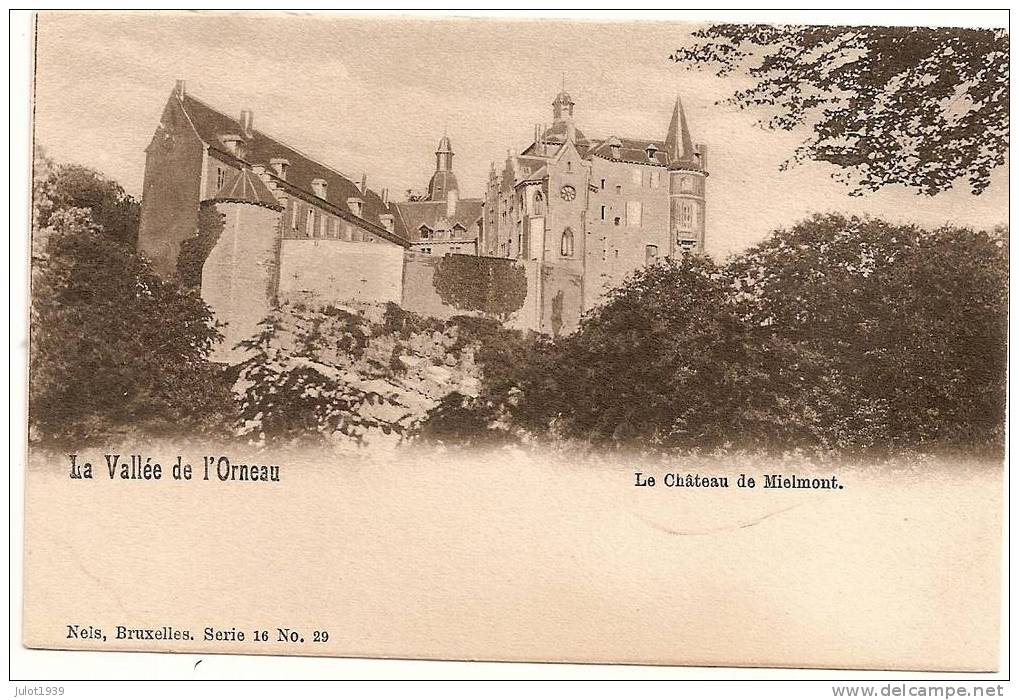
Located on a promontory overlooking the Orneau valley, the keep, which still stands today, was built in the 12th century. Count Godefroid of Namur erected a defensive structure on the highest rocks of the valley. The keep was protected by a double enclosure and held strategic importance as it controlled the route from Mons to Namur. It was habitable and could house an entire garrison during times of war. Its geometric outline—a quadrilateral with three straight sides—and its geographical position (averaging 140m in altitude) ensured the keep provided an effective defense against invasion attempts.

Mielmont belonged successively to the families of Merlemont (12th c.), Dave (mid-14th c.), Ste-Aldegonde (17th c.), Roose de Leeuw (18th c.), Coloma (18th c.), de Beauffort (19th and 20th c.), Decock, Compostella, and de Mevius (21st c.).
The first resident families were those of Renier de Merlemont (1125), Liébert de Merlemont (1179), and Wautier de Merlemont (1185). A benefit granted by his vassals through the Count of Namur.
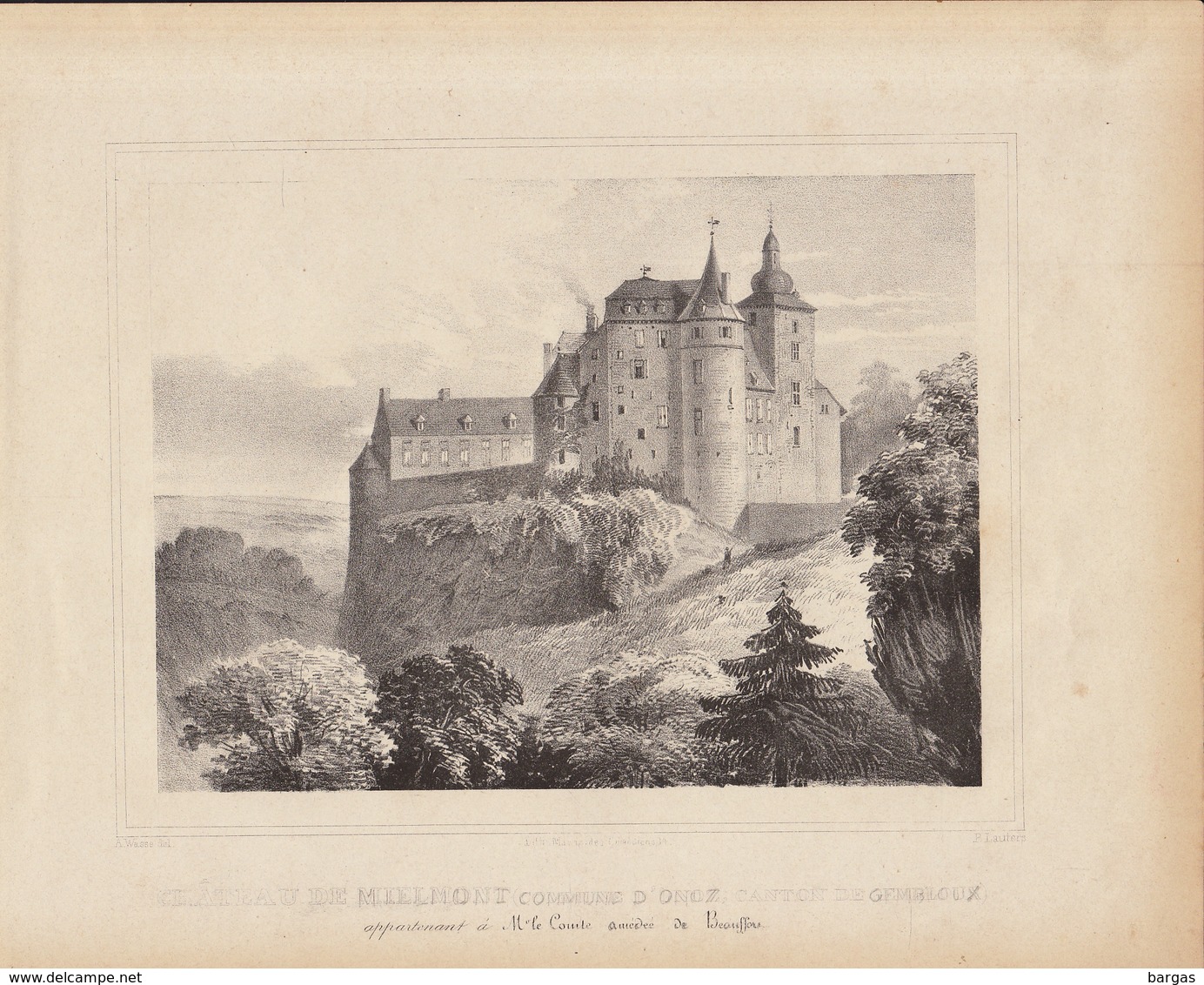
The Dave (or Davre) family succeeded Jean, the last of the Merlemonts, during the 14th century. On March 22, 1358, Blanche de Dave inherited the fief of Mielmont from her father, WILLAUME DE DAVE. Between 1399 and 1413, the lordship passed into foreign hands, the Lords of Oupeye. In 1414, Willaume de Skendremale, the legitimate heir, used his lineal right to buy back Mielmont, which he bequeathed, along with Onoz, to his nephew Warnier de Dave.
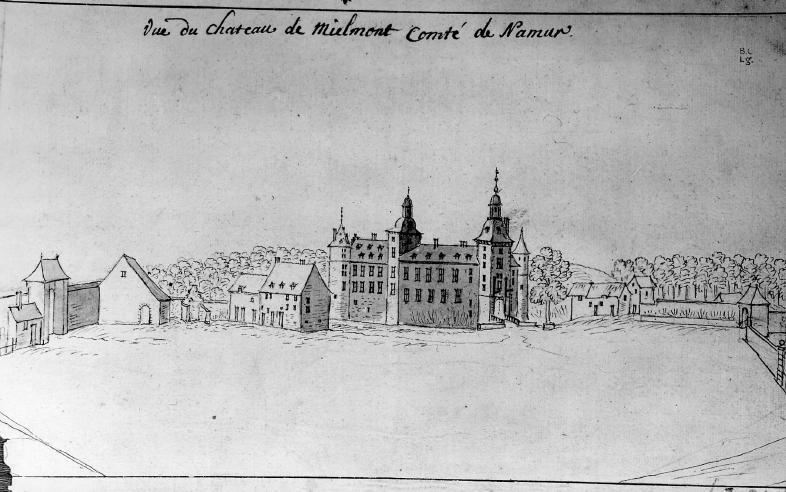
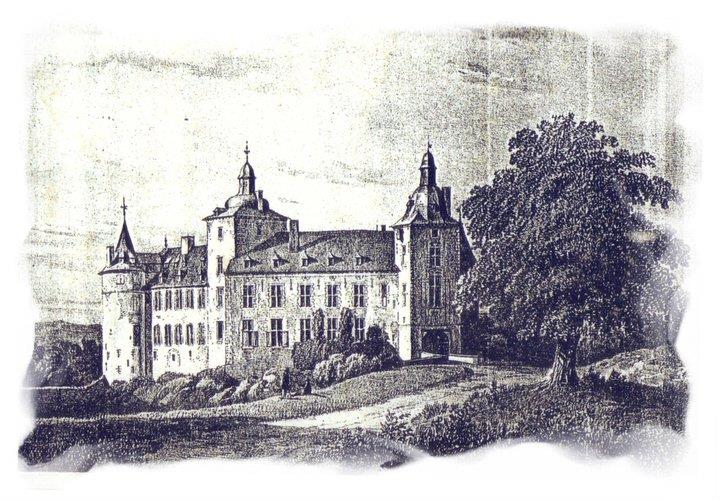
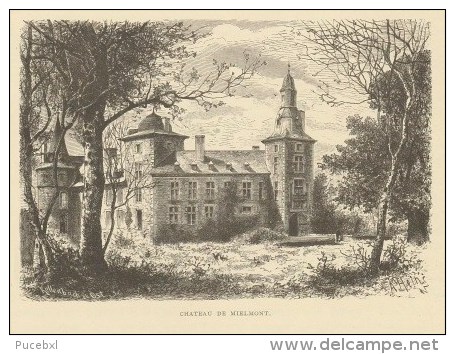
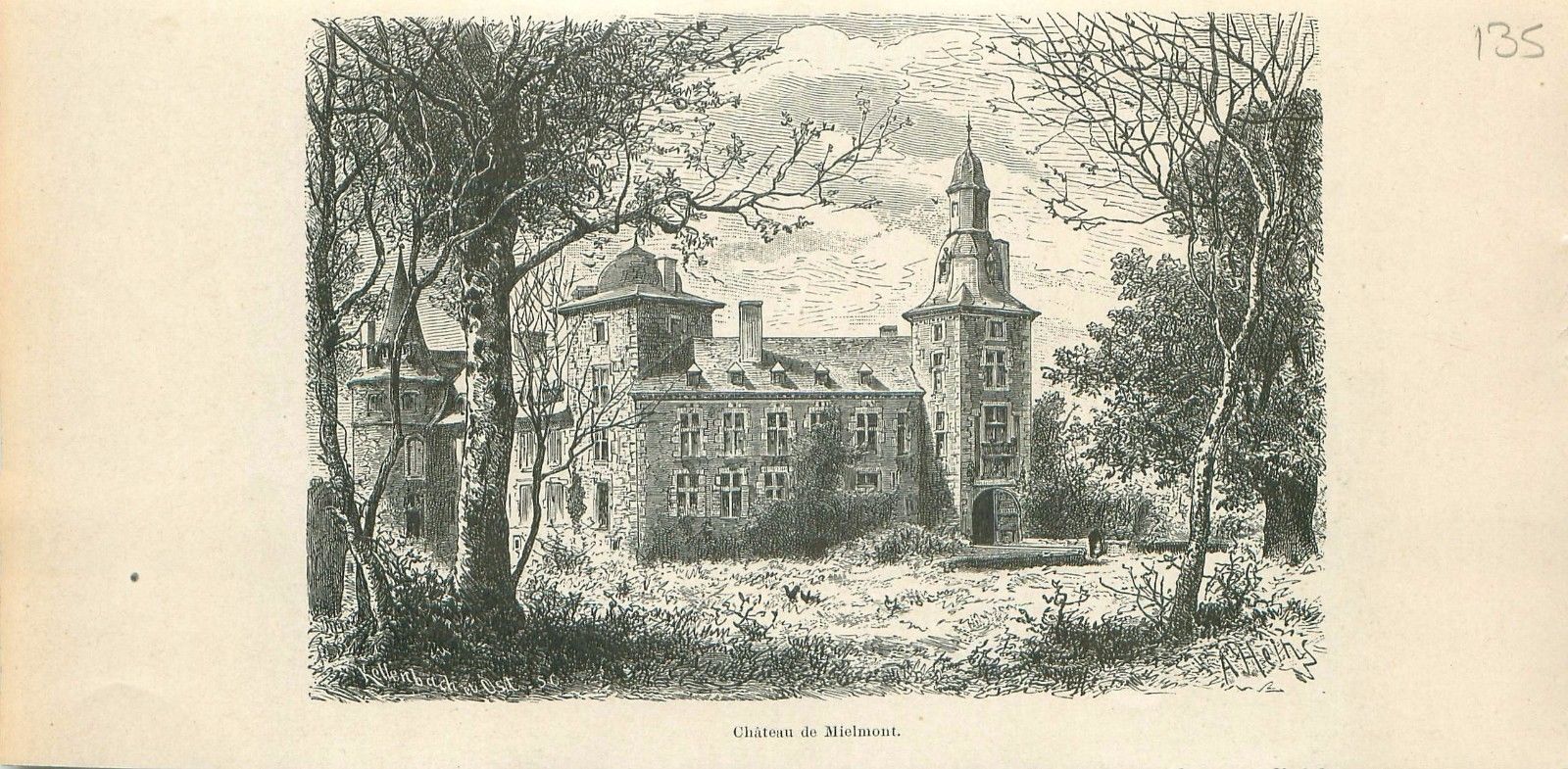
In the 16th century, the keep was transformed into a Renaissance-style manor house. From 1564 to 1570, Hector de Dave undertook the (re)construction of the south wing. The drawbridge was demolished, and large windows were cut into the keep (landward side). The circular towers (north and south, valley side) and the west tower likely date from this period.
Agnès de Dave, who married François-Lamoral de Sainte-Aldegonde, succeeded her father in 1622. She further enlarged the castle in the 17th century with the construction of the east wing and the entrance tower.
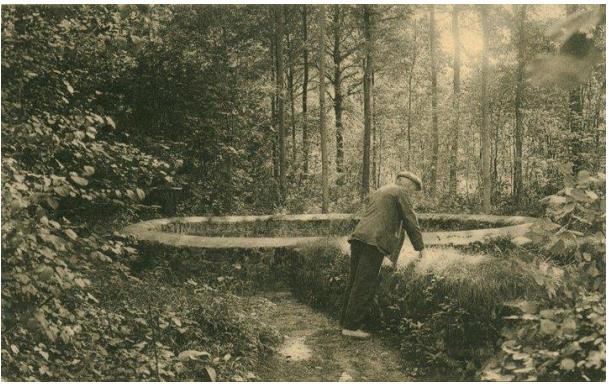
In 1690, CHARLES ROOSE acquired the lordship of Mielmont. The 17th century was marked by the Siege of Namur (1692), during which Louis XIV installed Mme de Maintenon at the castle. It was at this time that the Round Fountain located near the Sheep Bridge (near the viaduct) took the name of Mme de Maintenon’s Fountain.
Under the Austrian regime, Mielmont became the French headquarters when Louis XV’s troops, led by General de Saxe, invaded Belgium in 1742.
In 1752, Eugénie Roose married a gentleman of Spanish origin, CHARLES VITAL-ALEXANDRE COLOMA.
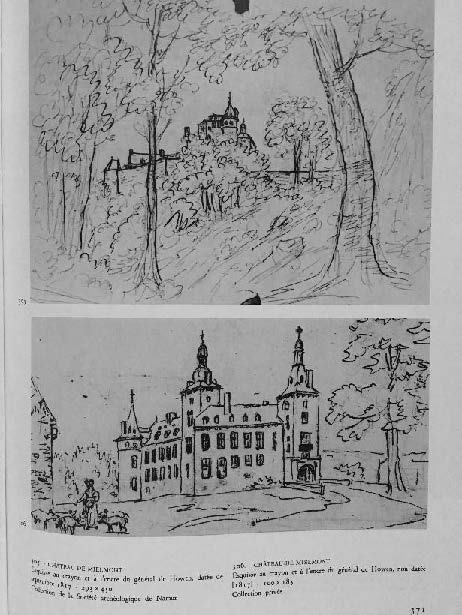
When France invaded Belgium again in 1792, French troops stationed at Mazy, Onoz, and Temploux plundered the castle, which remained abandoned until its restoration in 1870.
Marie-Elisabeth Roose de Baisy, the last of her name, married Count AMÉDÉE DE BEAUFFORT. Her descendants all served as mayors of Onoz and presidents of the Church Fabric Council. They shared the mill, the Vaux farm, the Falnuée farm, the Spy castle, and several farms in Jemeppe-sur-Sambre.
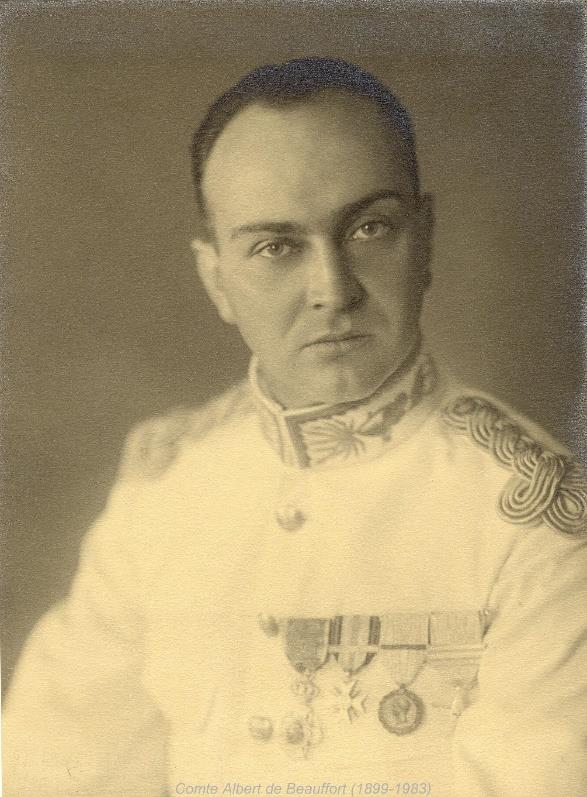

Their son, Marquis Albert de Beauffort, undertook major works between 1870 and 1875 with the intention of establishing his residence there. The neo-Gothic chapel located at the western end of the south wing dates from this period.
The north wing was entirely rebuilt in 1923 by Count Georges de Beauffort.
During the Second World War, the Castle was a site of resistance known as “Refuge Jaguar.”
Today, the residents of Onoz remember his son, Count Claude de Beauffort, who left a lasting impression through his great simplicity and profound historical knowledge.
From the 12th-century structure, the square mass of the keep, the polygonal outline of the enclosure, and the main structure of the curtain walls (remains of a latrine and the base of a walled arch) still remain.
The property was purchased by the De Cock family in 1995. They carried out significant renovations to the castle and the park.
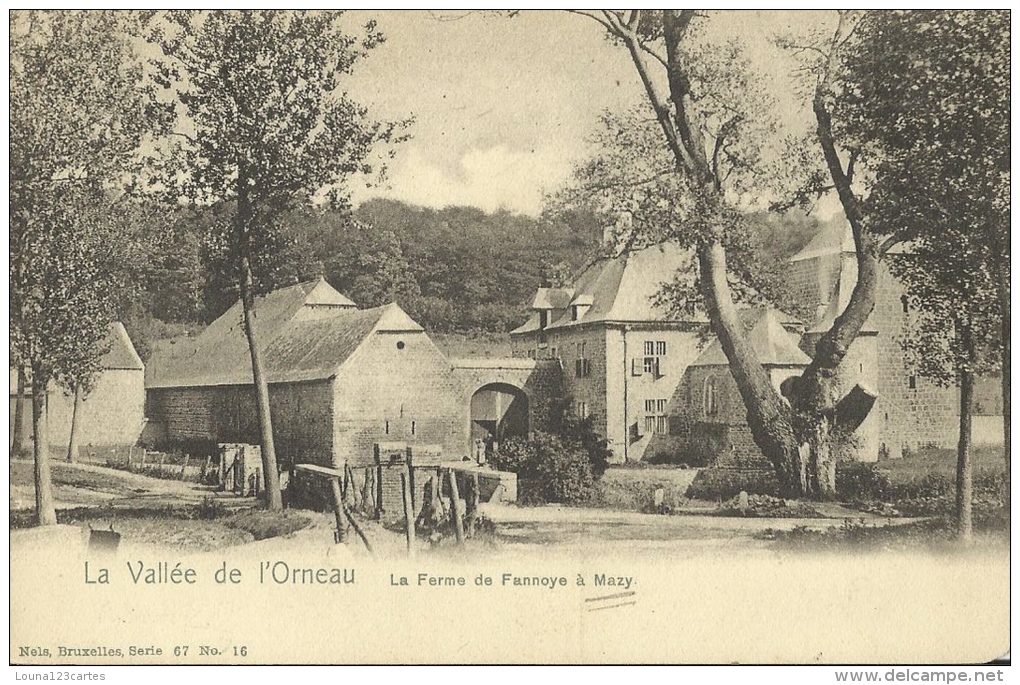
It was then purchased by the Compostella de Mevius family in 2010, who continued the renovation of the castle and the farm.
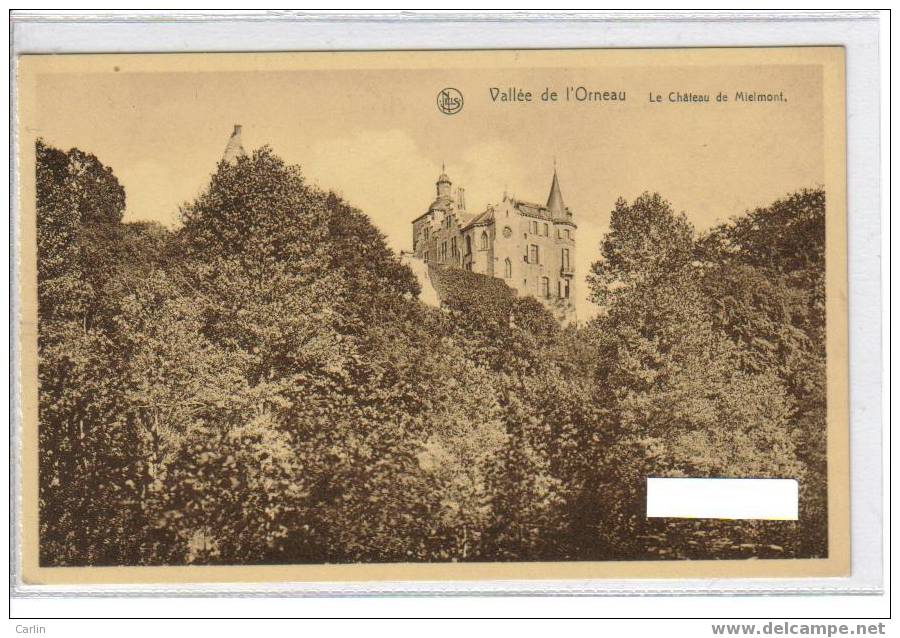
A Heritage Restored with Passion
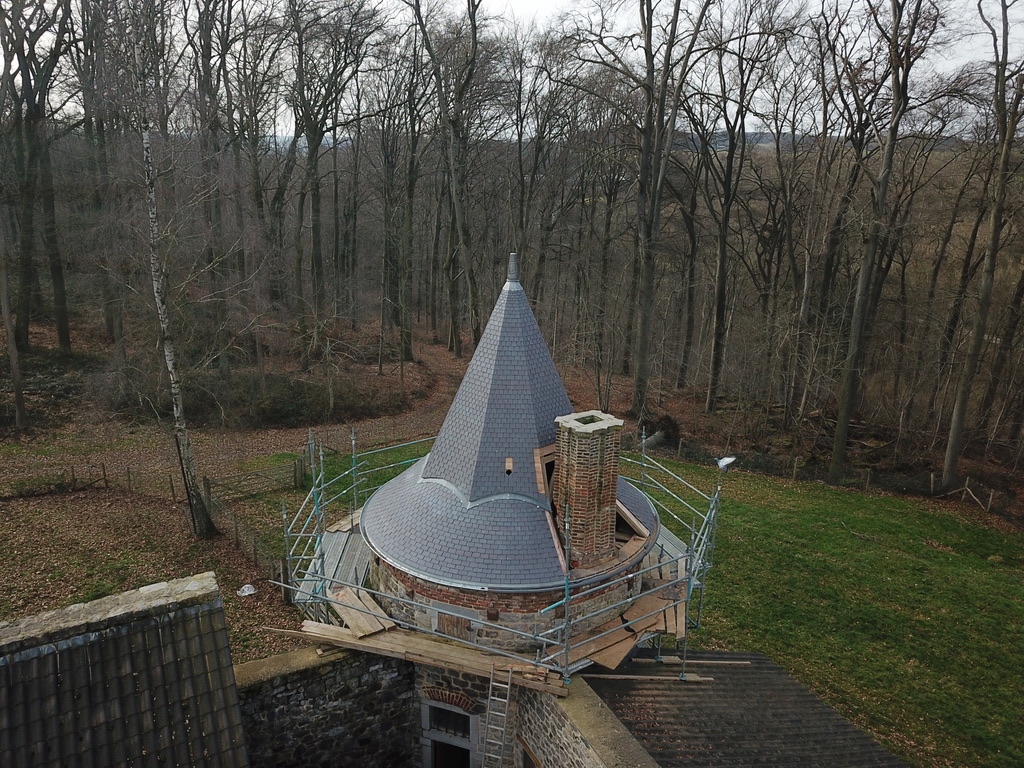
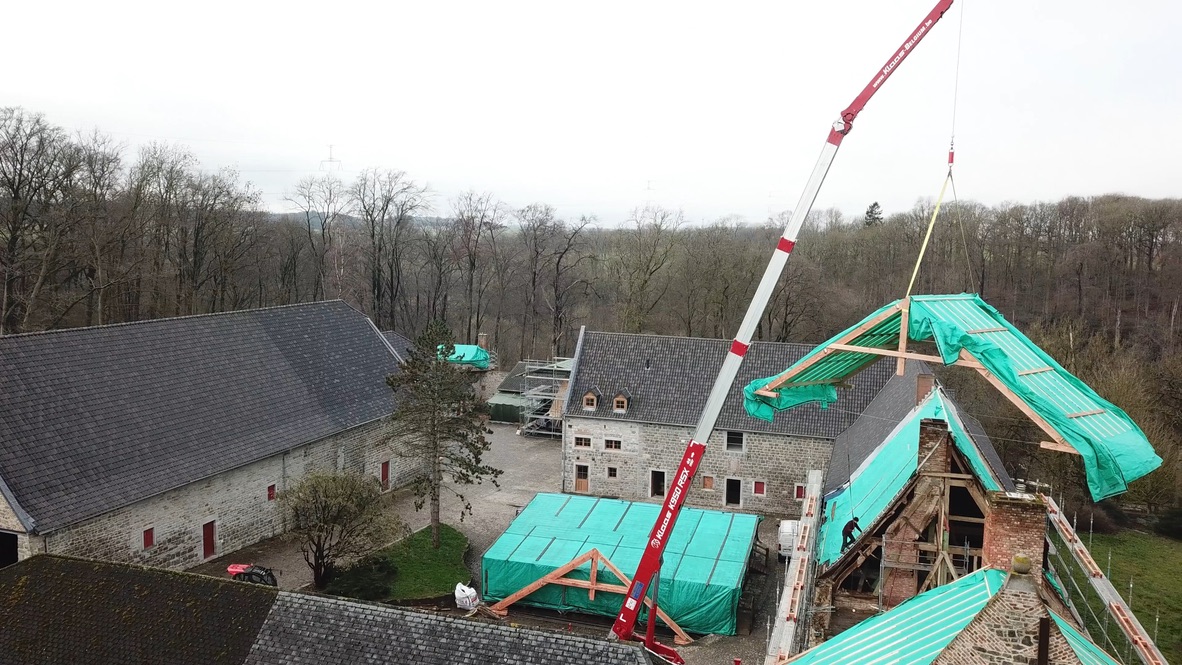
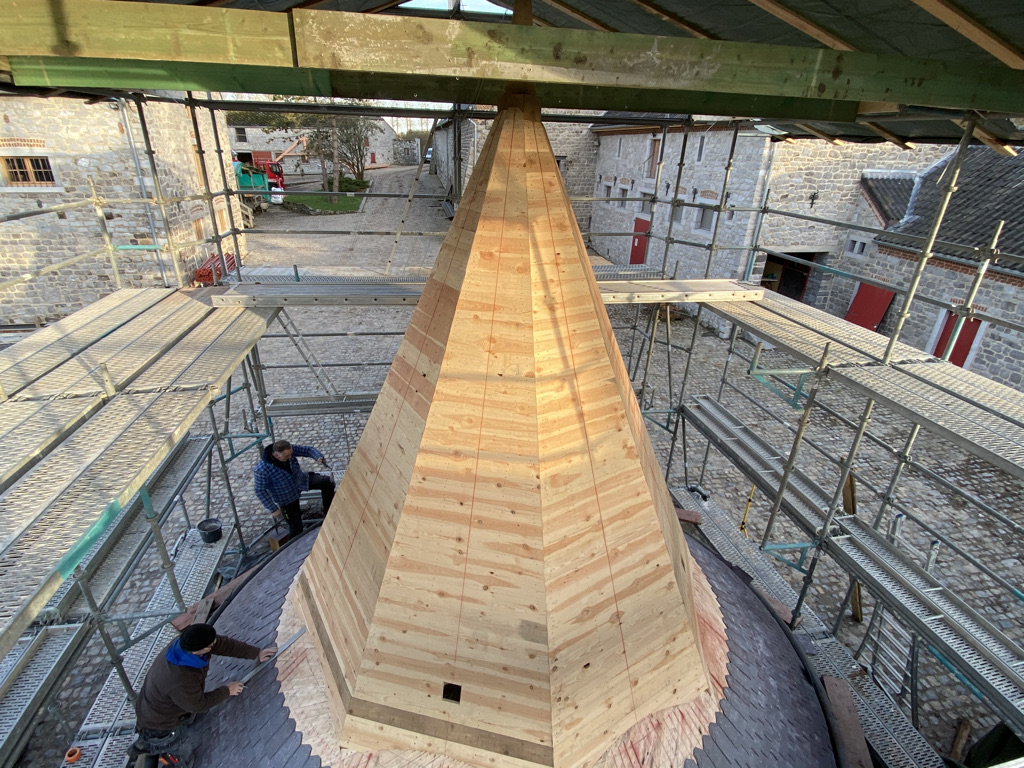
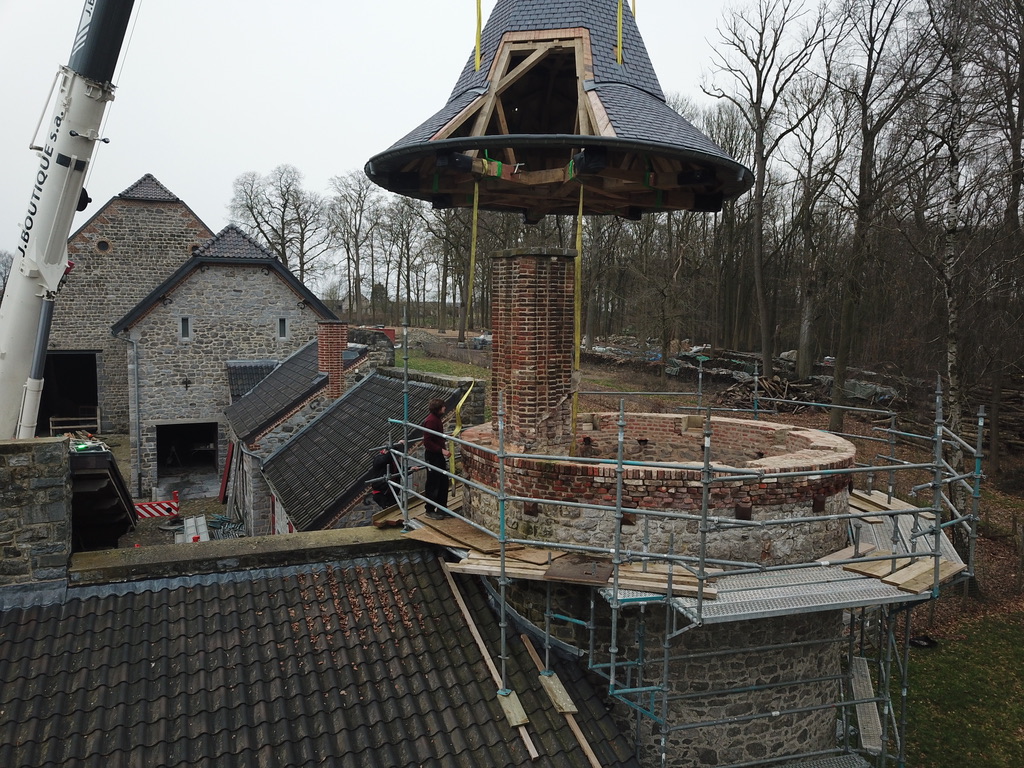
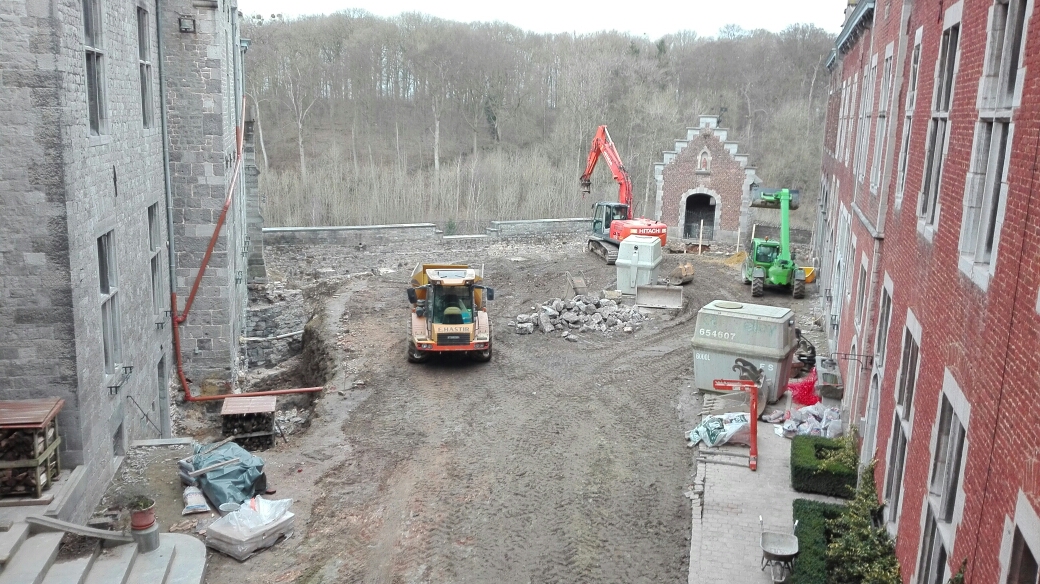
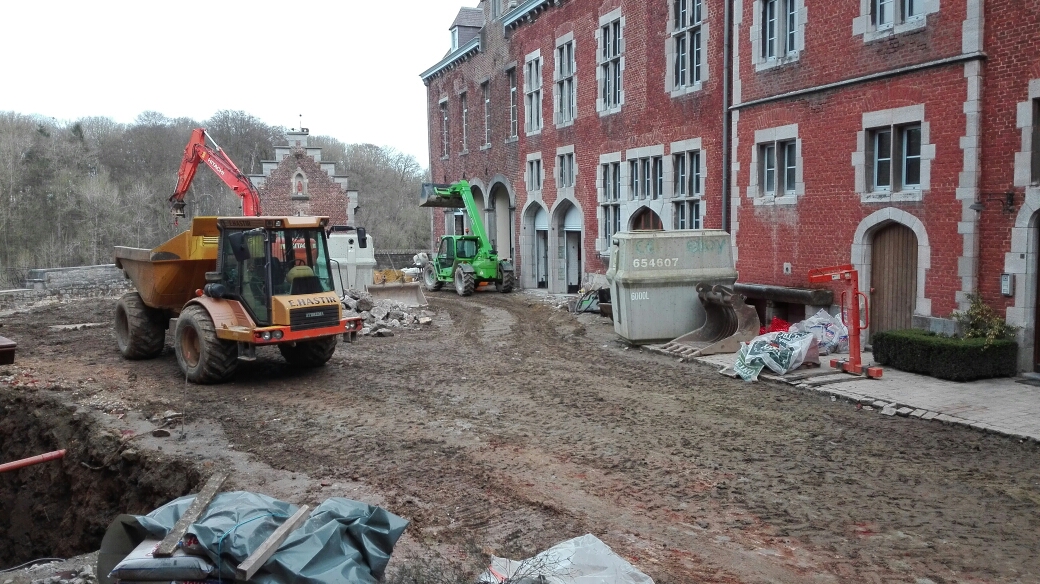
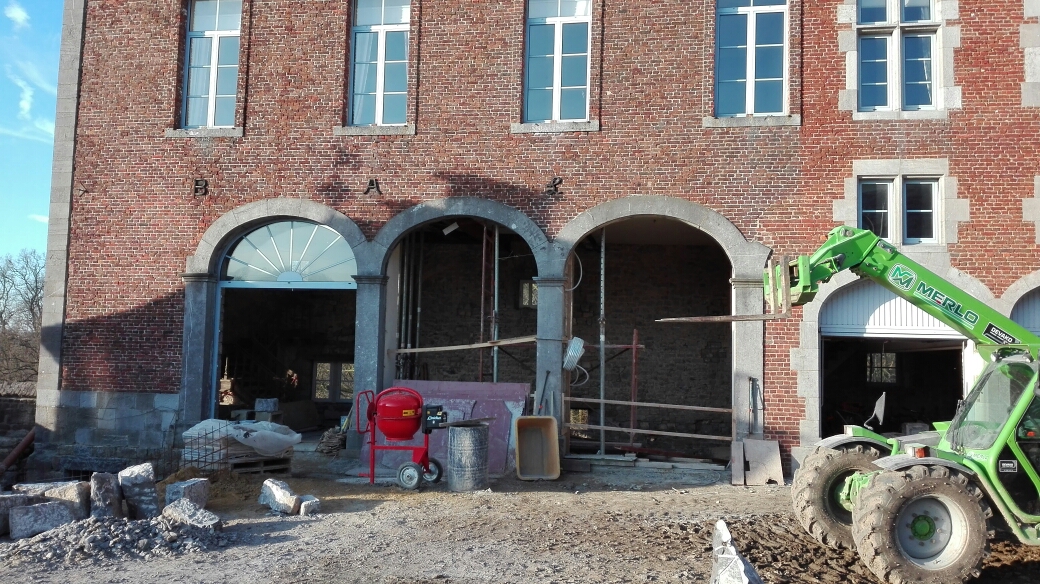
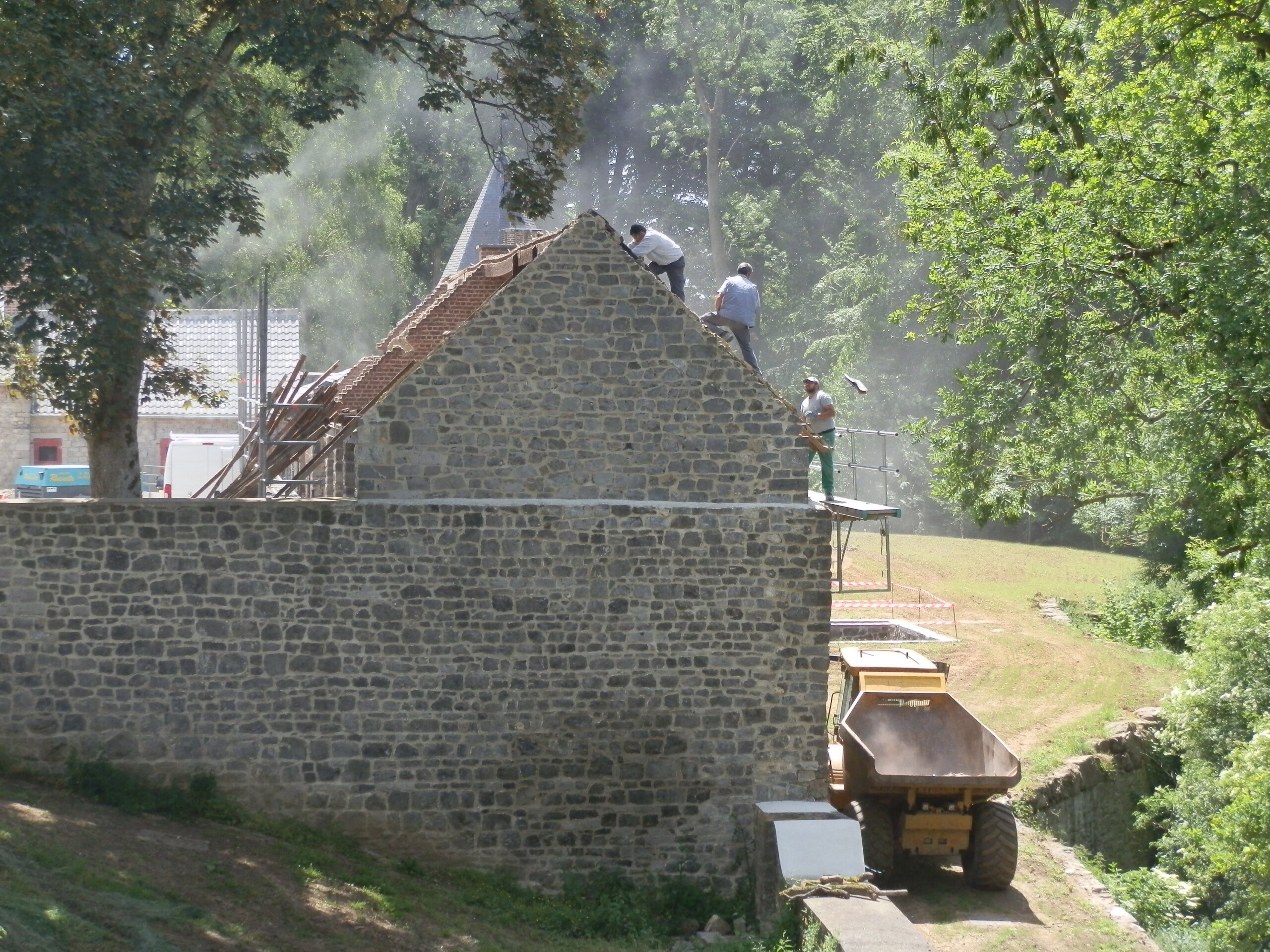
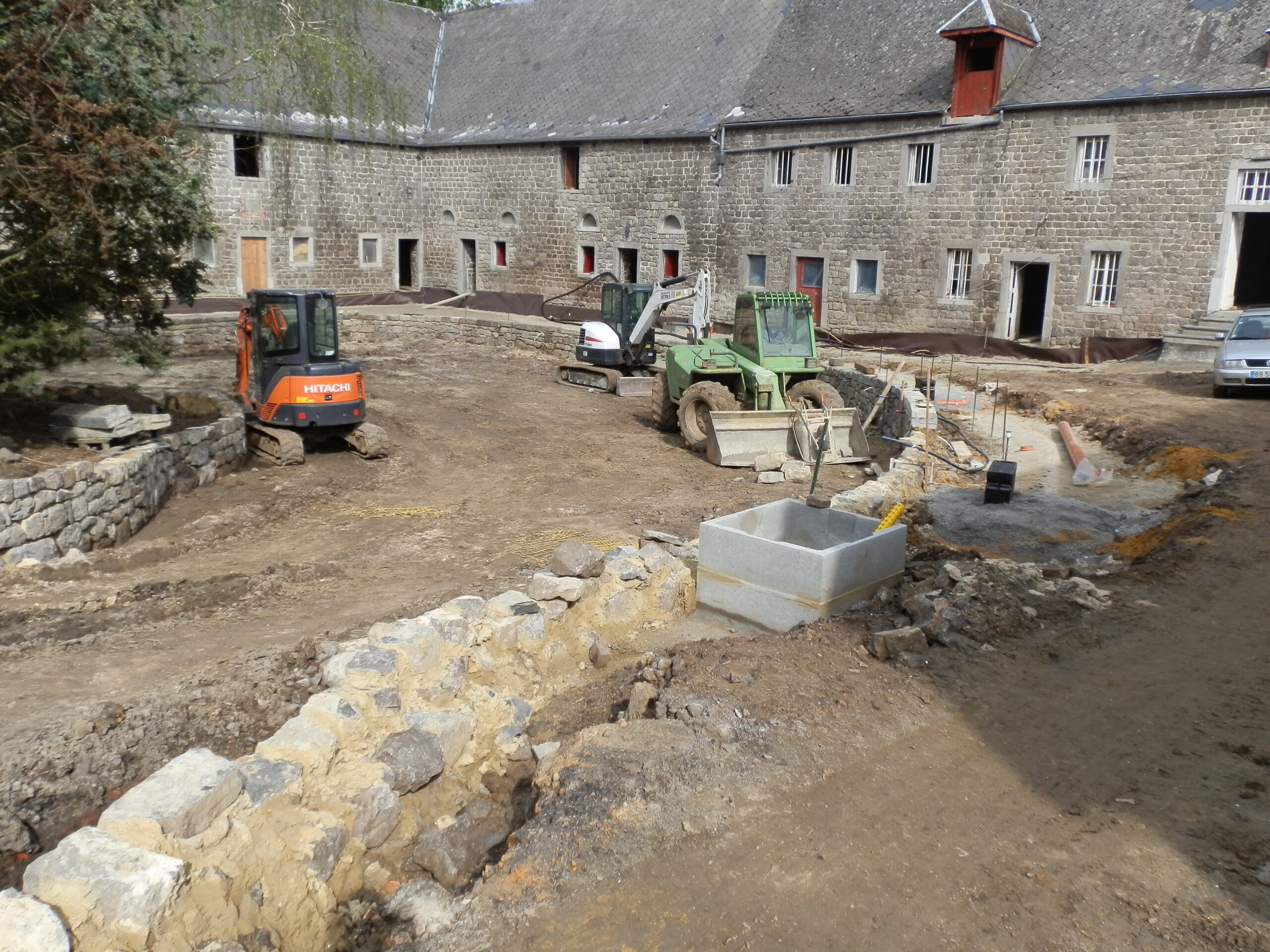
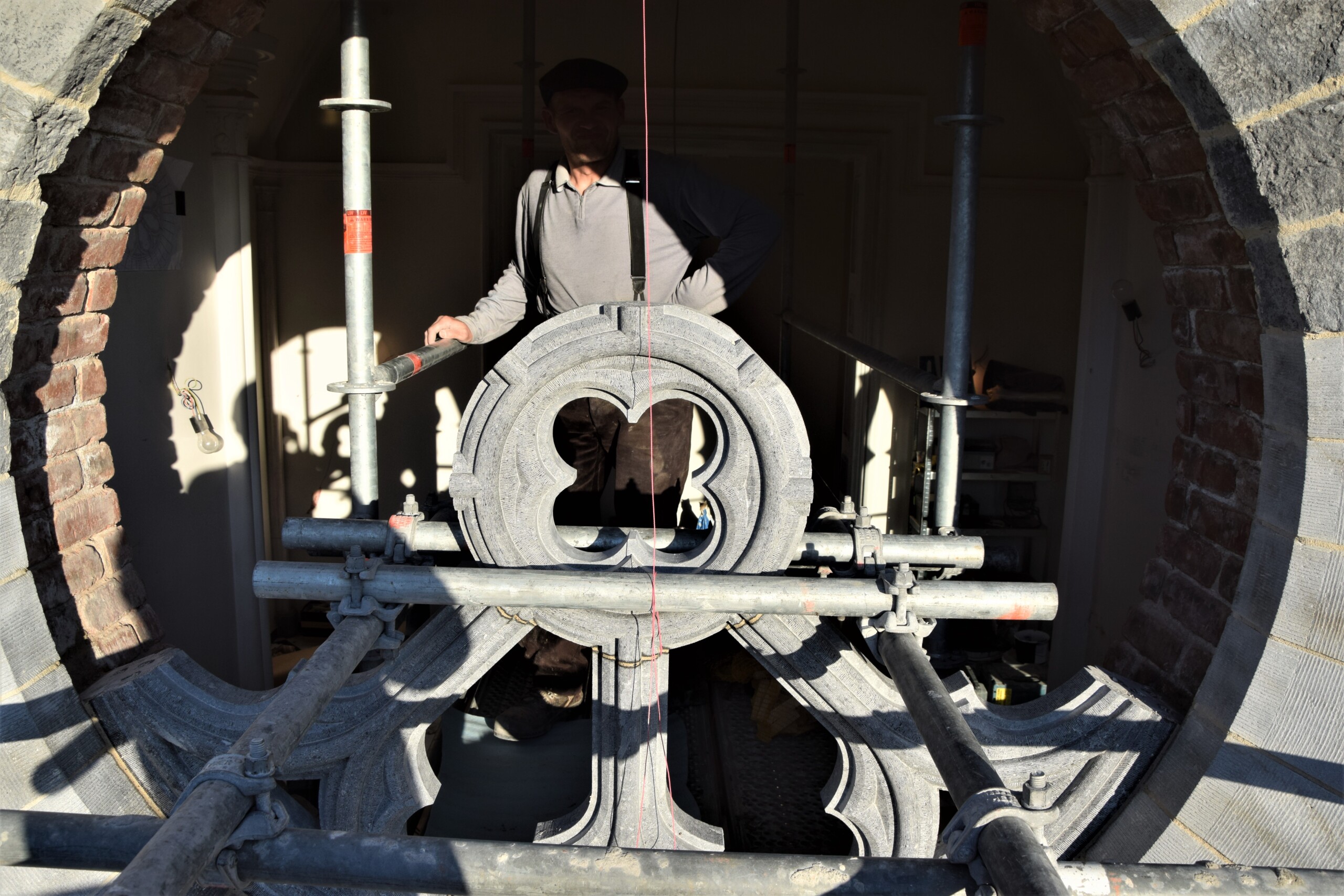
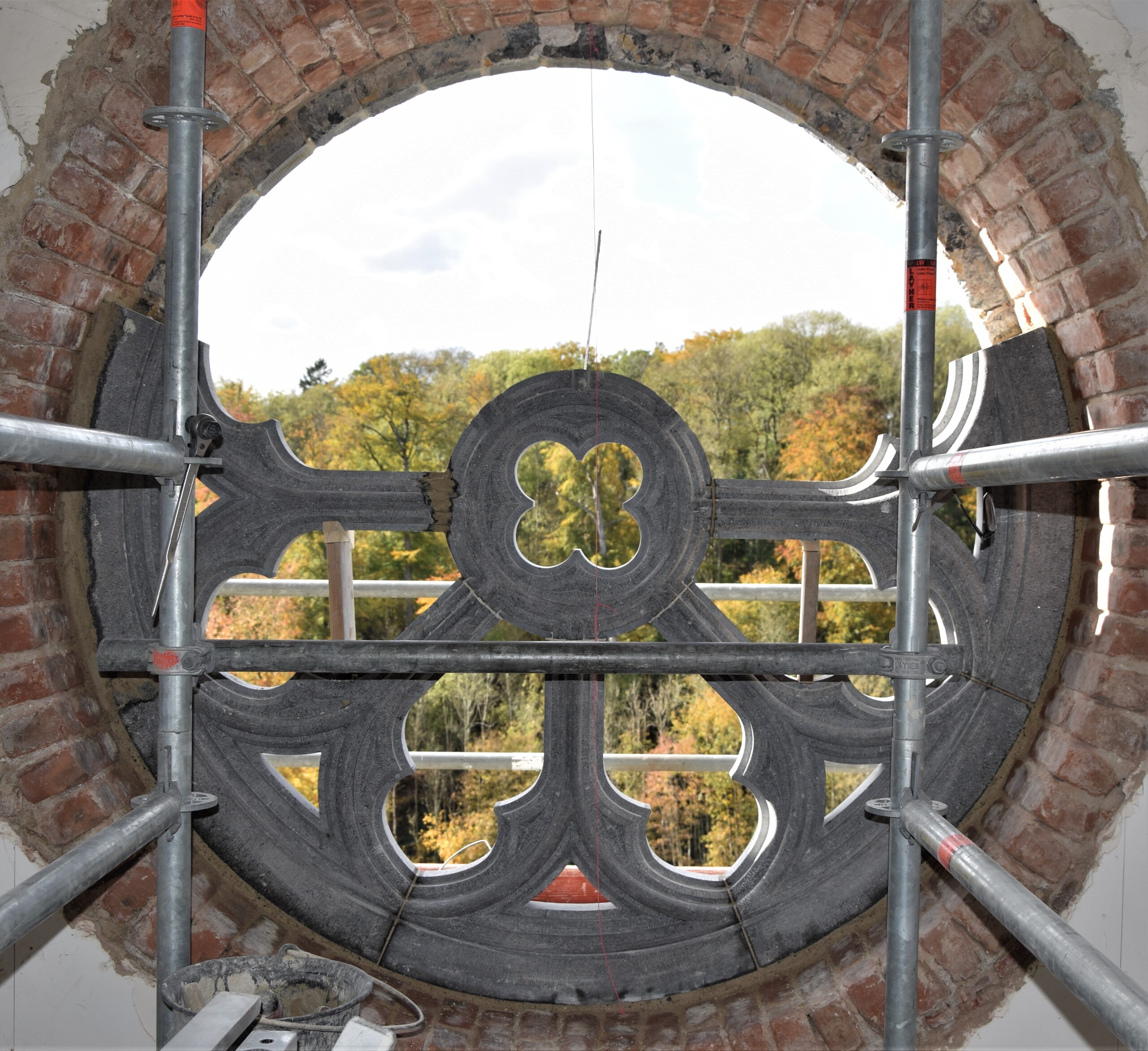
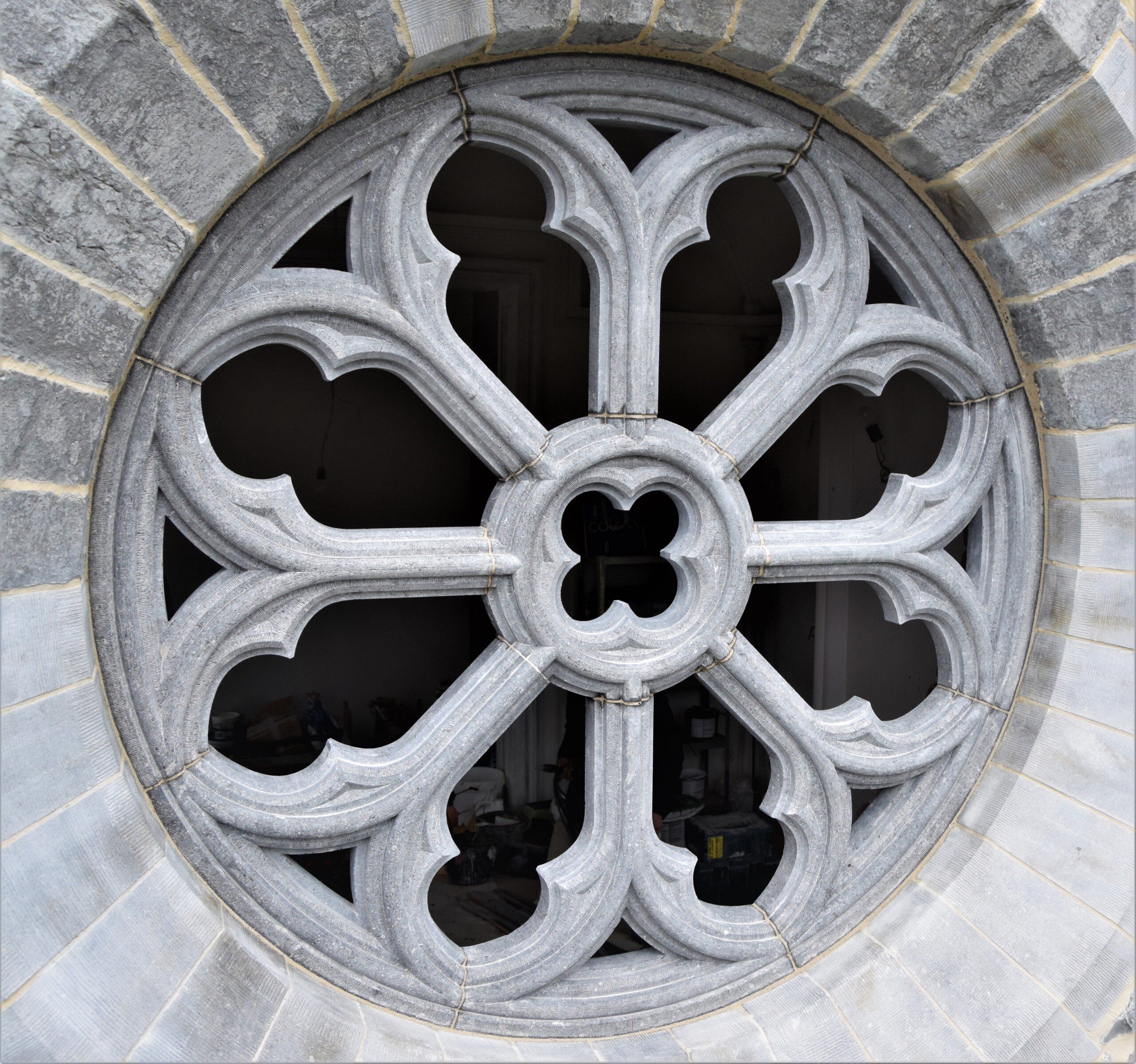
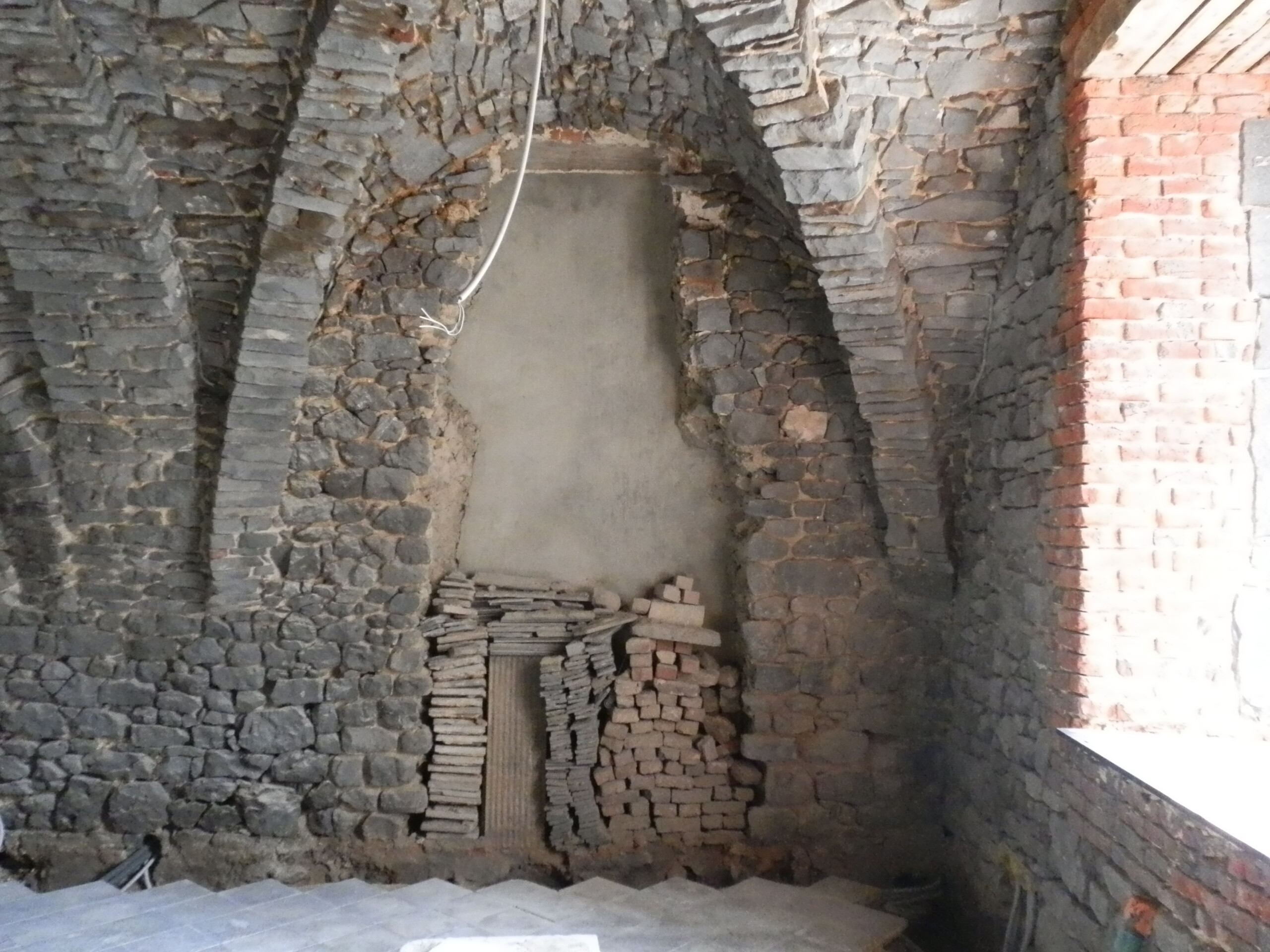
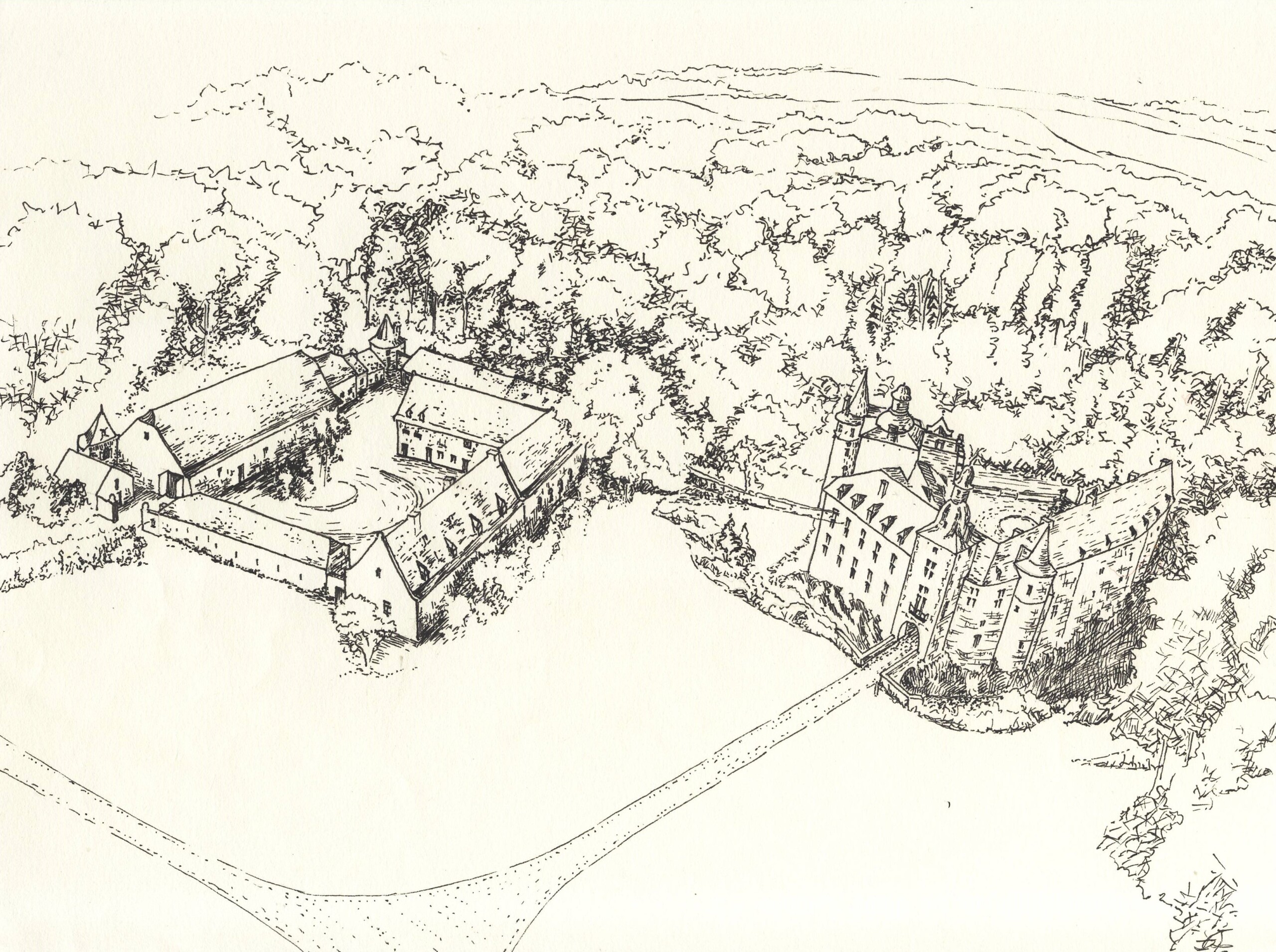
Over the years, the Mielmont Estate has undergone significant restoration and renovation work, carried out with the utmost respect for its heritage. These various stages have preserved the authenticity of the site while providing the comfort and facilities necessary to welcome visitors today in the best possible conditions. Discover, through this gallery, some key moments of this remarkable transformation.